Top Collision Repair Tips from CMO Customs Experts
- Tyler Morales
- 2 days ago
- 3 min read

Updated: 1 day ago
When it comes to collision repair, knowing the right steps can save you time, money, and stress. Whether you've been in a minor fender bender or a more serious accident, understanding the collision repair process is crucial. In this post, we will share expert tips from CMO Customs to help you navigate the world of collision repair effectively.
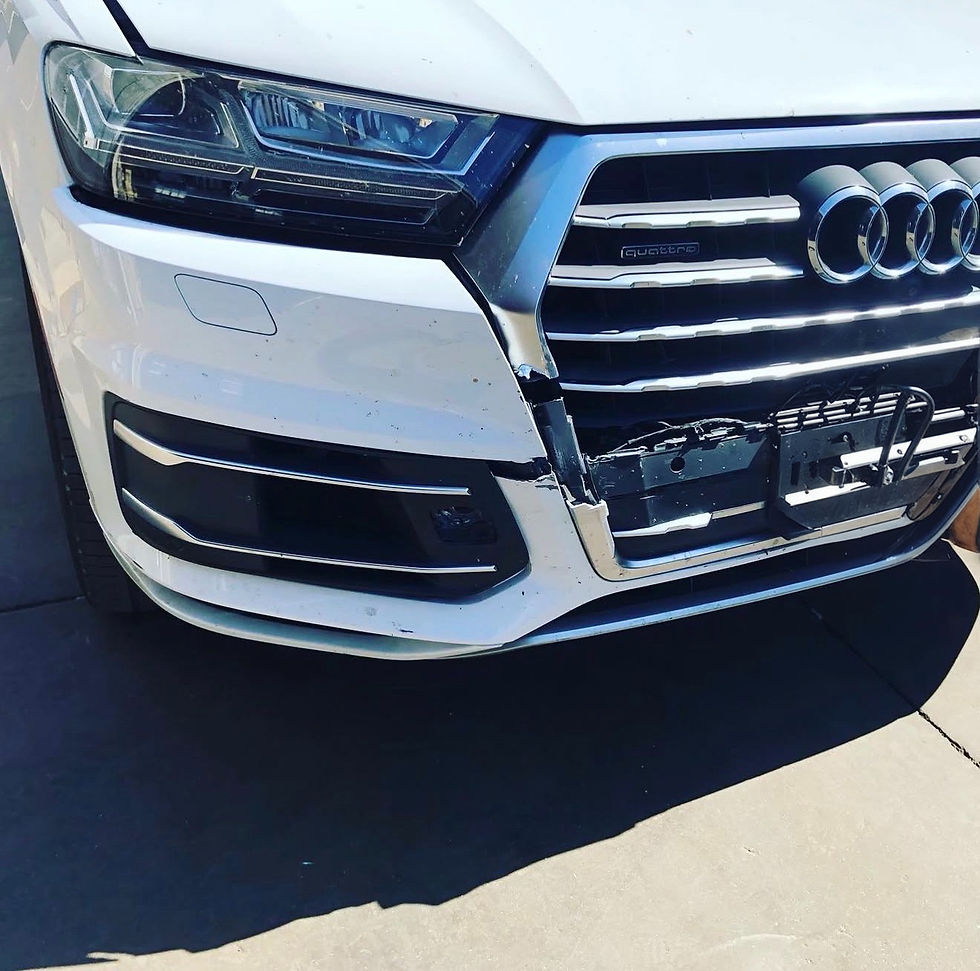
Understanding the Collision Repair Process
What Happens After an Accident?
After an accident, the first step is to assess the damage. This includes both visible and hidden damages. Here’s what you should do:
Document the Scene: Take photos of the accident scene, vehicle damage, and any other relevant details.
File a Claim: Contact your insurance company to report the accident and file a claim.
Get an Estimate: Visit a reputable collision repair shop for a detailed estimate of the repair costs.
Choosing the Right Repair Shop
Selecting the right repair shop is crucial for quality repairs. Here are some tips:
Research: Look for shops with good reviews and ratings. Websites like Yelp and Google Reviews can provide insights from previous customers.
Certifications: Check if the shop has certifications from manufacturers or industry organizations, which can indicate a higher level of expertise.
Warranty: Inquire about warranties on repairs. A good shop should offer a warranty on both parts and labor.
Essential Collision Repair Tips
1. Prioritize Safety
Safety should always come first. If your vehicle is unsafe to drive, do not attempt to move it. Instead, call for a tow truck.
2. Communicate with Your Insurance
Stay in touch with your insurance adjuster throughout the repair process. This ensures that all necessary repairs are covered and that you understand what to expect.
3. Ask Questions
Don’t hesitate to ask your repair technician questions. Understanding the repair process can help you feel more comfortable and informed. Some questions to consider include:
What parts will be replaced?
How long will the repairs take?
Will you be using OEM (Original Equipment Manufacturer) parts or aftermarket parts?
4. Keep Records
Maintain a file of all documents related to the accident and repairs, including:
Police reports
Insurance correspondence
Repair estimates and invoices
This documentation can be invaluable if disputes arise later.
5. Inspect the Repairs
Once the repairs are complete, inspect your vehicle thoroughly before accepting it. Look for:
Consistent paint color
Proper alignment of body panels
Functionality of all parts, including lights and doors
If you notice any issues, address them with the repair shop immediately.
Common Collision Repair Mistakes to Avoid
1. Ignoring Minor Damage
Many people overlook minor dents or scratches, thinking they are not worth repairing. However, these small issues can lead to rust and more significant problems down the line. Addressing them early can save you money in the long run.
2. Choosing the Cheapest Option
While it may be tempting to go with the lowest estimate, this can lead to subpar repairs. Quality should be your priority. A reputable shop may charge more, but they will likely provide better service and longer-lasting repairs.
3. Not Following Up
After your vehicle is repaired, follow up with your insurance company to ensure all claims are processed correctly. This can prevent future headaches if issues arise.
The Importance of Preventative Maintenance
Regular Inspections
Regular vehicle inspections can help catch potential issues before they become serious problems. Schedule routine check-ups with your mechanic to ensure your vehicle is in good condition.
Protecting Your Vehicle
Consider investing in protective measures such as:
Paint Protection Film: This can help prevent scratches and chips from road debris.
Regular Washing and Waxing: Keeping your vehicle clean can protect the paint and finish.
Conclusion

Navigating the collision repair process can be daunting, but with the right knowledge and preparation, you can make informed decisions. Remember to prioritize safety, choose a reputable repair shop, and maintain clear communication with your insurance provider. By following these tips from CMO Customs experts, you can ensure that your vehicle is repaired correctly and efficiently, allowing you to get back on the road with confidence.
Take the time to educate yourself about the collision repair process, and don’t hesitate to reach out for help when needed. Your vehicle deserves the best care possible.


Comments